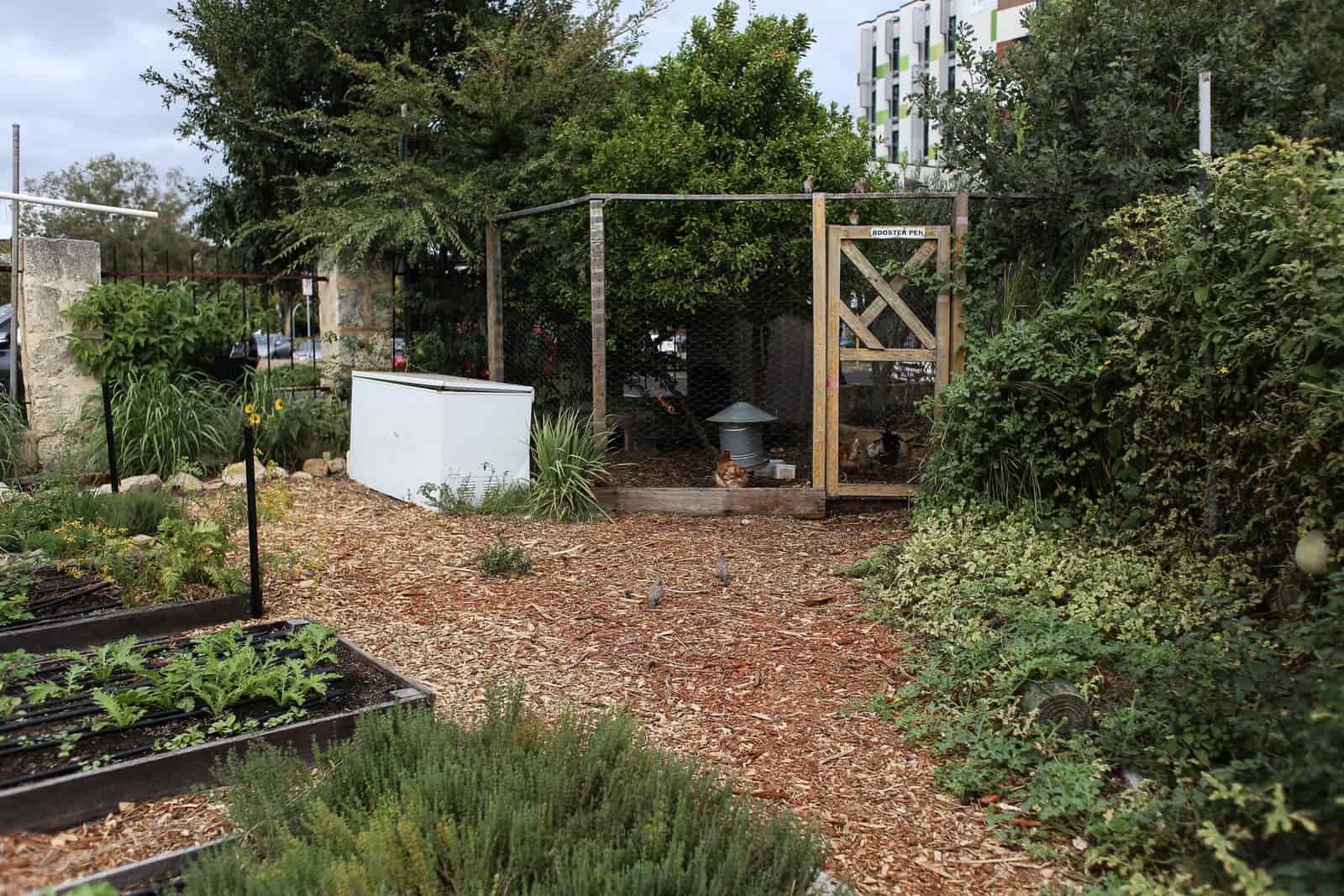
Stage 0 — deciding and planning
Start Here
The whole first-flock list, staged by when you actually need each thing rather than sorted by category.
First flock, solved
Chicks arrive on a date, and from that date there is an order in which things have to be bought. This is that order — with every capacity claim divided out and every running cost computed from published wattage.
Everyone in this category says they tested twenty coops. We have not used any of them, and we say so. What we did instead: compiled every published specification we could source and cited it, divided the capacity claims out against the space figures extension services publish, and computed the electricity from the makers’ own wattages. The whole method.
Two for the brooder, two for the coop, one for feeding. Ranked by when you need them rather than by how much they cost.
| # | Pick | Stage | When | Key spec | Score | Price |
|---|---|---|---|---|---|---|
| 1 | Score8.3 Buy this first Brinsea EcoGlow Safety 600 Twelve watts and a metal warming plate, which is the lowest published draw of any brooder plate we found and the reason it costs about two dollars to run a whole six-week brood. | Brooder | Before they arrive | 12 W | 8.3of 10 | |
| 2 | Score8.6 Purina Start & Grow Medicated Chick Feed Eighteen percent crude protein with amprolium at 0.0125 percent, and a feeding direction that tells you exactly when to stop: day one until the first egg, then switch. | Brooder | Before they arrive | 18% protein | 8.6of 10 | |
| 3 | Score7.9 Omlet Eglu Cube A plastic coop that hoses out, with published interior dimensions you can actually check — and once you check them, a six-hen claim that only works because the run is permanently attached. | Coop | Order by week 3 | 7.8 sq ft interior | 7.9of 10 | |
| 4 | Score8.1 Galvanized hardware cloth 1/2 in mesh, 19 gauge Half-inch welded mesh in 19 gauge steel — not chicken wire, which keeps chickens in and keeps nothing out, and is the single most expensive mistake a first-time keeper makes. | Coop | With the coop | 1/2 in mesh, 19 ga | 8.1of 10 | |
| 5 | Score8.7 Grandpa's Feeders Standard Automatic Chicken Feeder, 20 lb A galvanized treadle feeder that publishes exactly what it does — 20 pounds, six chickens, ten days, three to four birds eating at once — and a two-week training schedule that tells you it will not work on day one. | Feeding | When they move out | 20 lb, 6 birds for 10 days | 8.7of 10 |
#ad No live price feed on this build yet, so every button reads “check price” rather than a figure we cannot stand behind. Scores are our own published rubric, not customer ratings. How this is funded.
Every competitor in this category navigates by topic. Nobody navigates by stage — which is odd, because the beginner’s problem is sequential rather than topical.
Stage 0 — deciding and planning
The whole first-flock list, staged by when you actually need each thing rather than sorted by category.
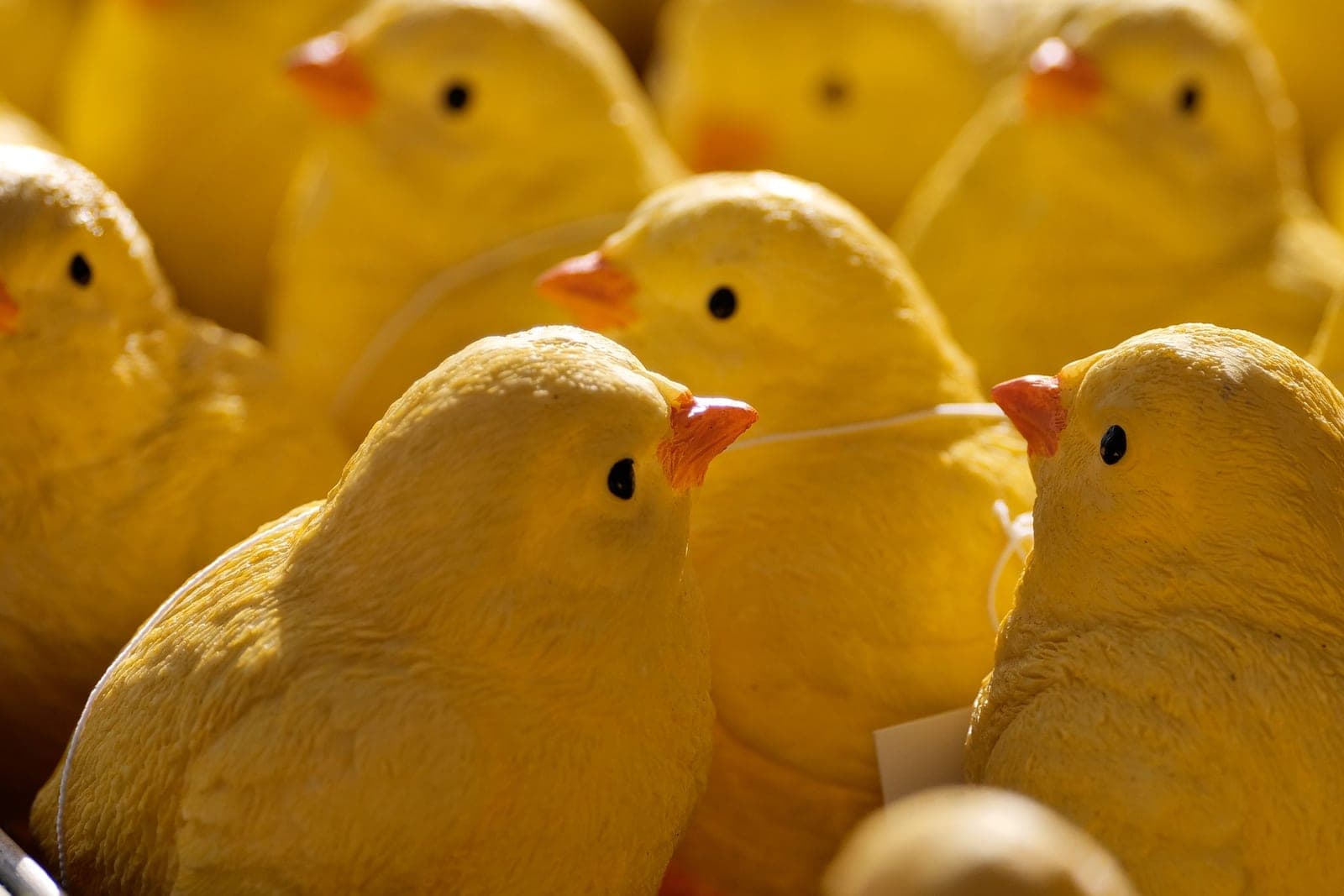
Stage 1 — weeks 0 to 6
Heat, feed, water and a thermometer for weeks zero to six, with the temperature schedule and the electricity math.
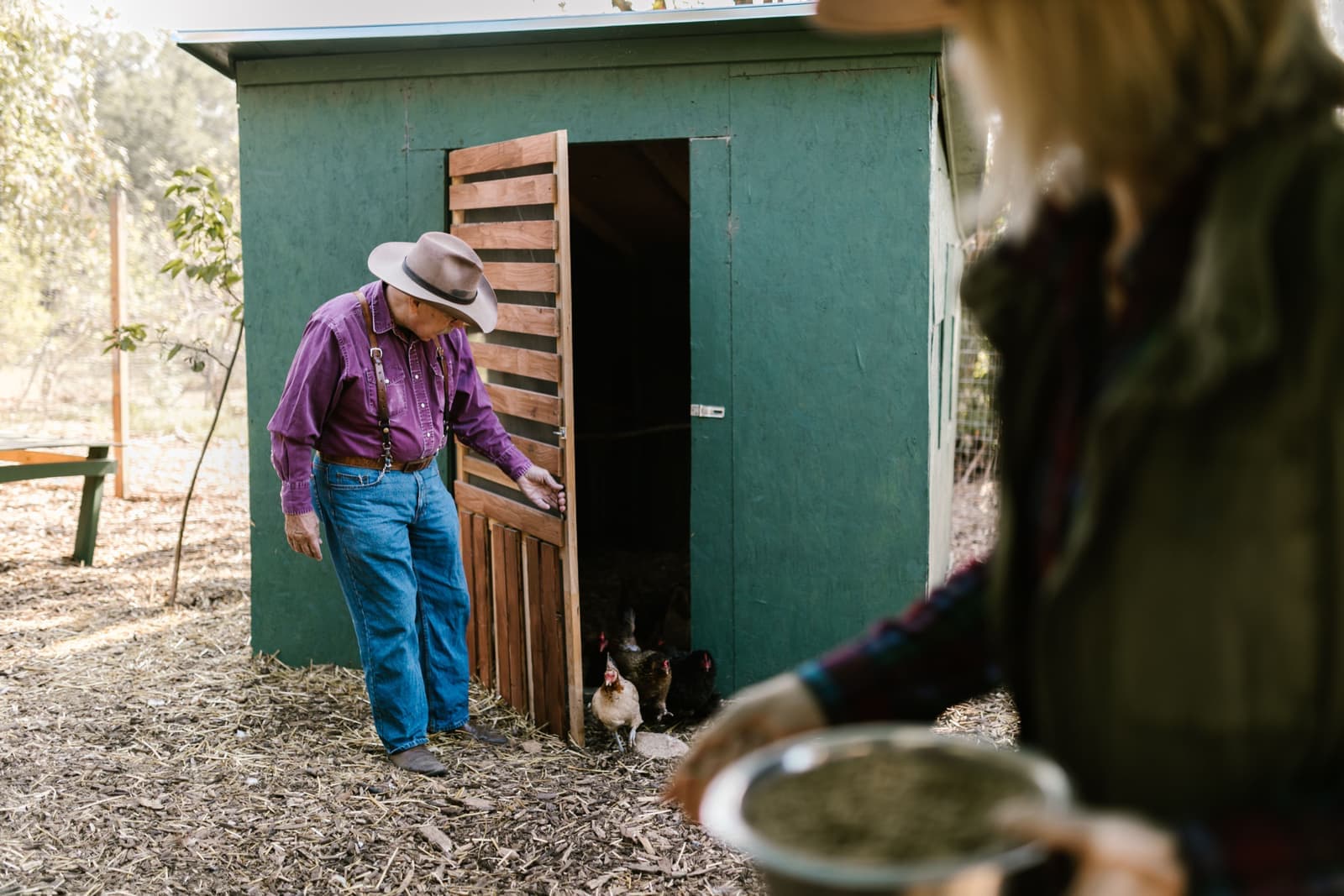
Stage 2 — weeks 4 to 8
Coops, automatic doors, bedding and predator hardware, with the capacity math done against published extension figures.
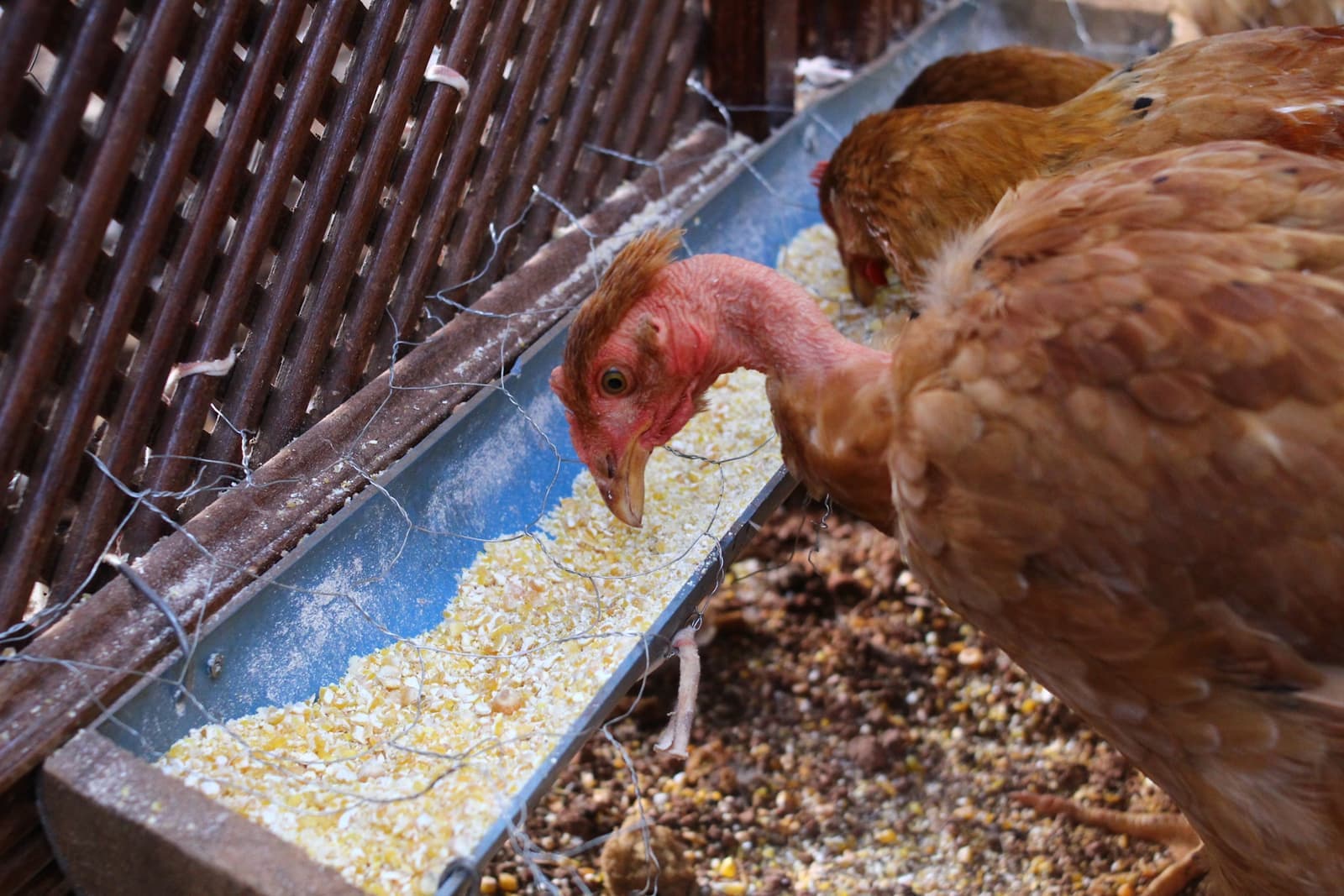
Stage 3 — from the move outside, onward
Feeders, waterers, feed storage and supplements, with published capacities, birds-per-nipple figures and winter power draw.
Top pick · Grandpa's Feeders Standard Automatic Chicken Feeder, 20 lb

Stage 4 — week 16 and up
Nest boxes, roll-out designs, pads and sizing, plus what changes in the feed when the first egg arrives.
Top pick · Best Nest Box Small 24" Reversible Roll-Out Nest Box
All stages — the cross-cutting one
First aid, mites and lice, dust baths and winter care, with label-directed uses and the point where you should call a vet.
Top pick · Vetericyn Plus Antimicrobial Poultry Care Spray, 8 oz
Each of these won a comparison on the published rubric. The link goes to the working; the button goes to Amazon.
Best door head to head
Three coop doors head to head on power, weather rating, opening size and failure behavior.

Best automatic coop door
Three automatic doors compared on published cold ratings, battery life, IP rating and opening size.

Best heat plate
Six brooder plates on published wattage, capacity and leg adjustment, with the running cost of each computed for a full brood.
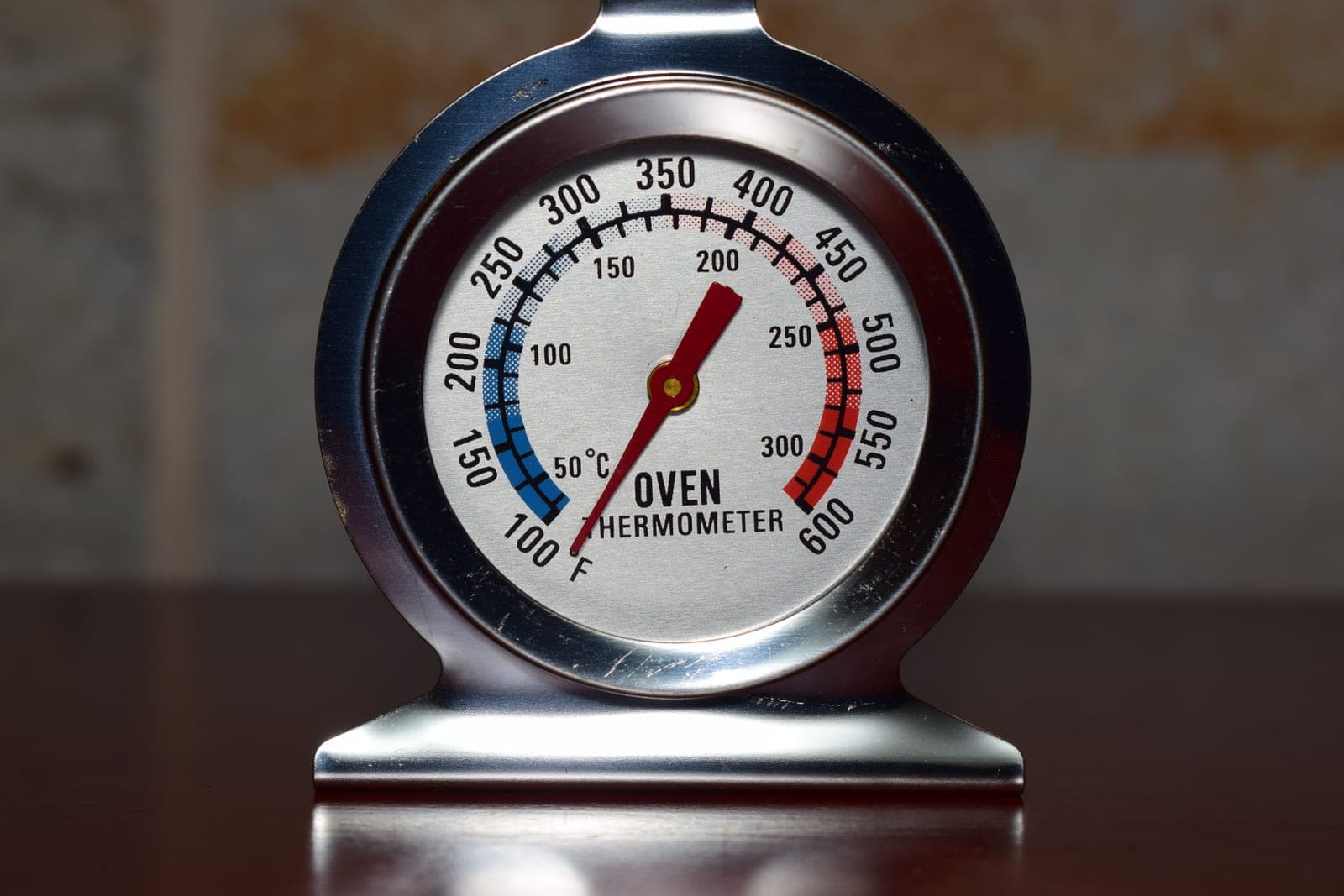
Best brooder thermometer
Four brooder thermometers on published range and accuracy, and the awkward fact that the purpose-built ones publish least.

Best chick drinker setup
Chick drinkers, feeders and the raised-stand fix, sized with Penn State Extension's published space-per-chick figures.
Top pick · RentACoop Chick Feeder, Waterer and Accessory Stand
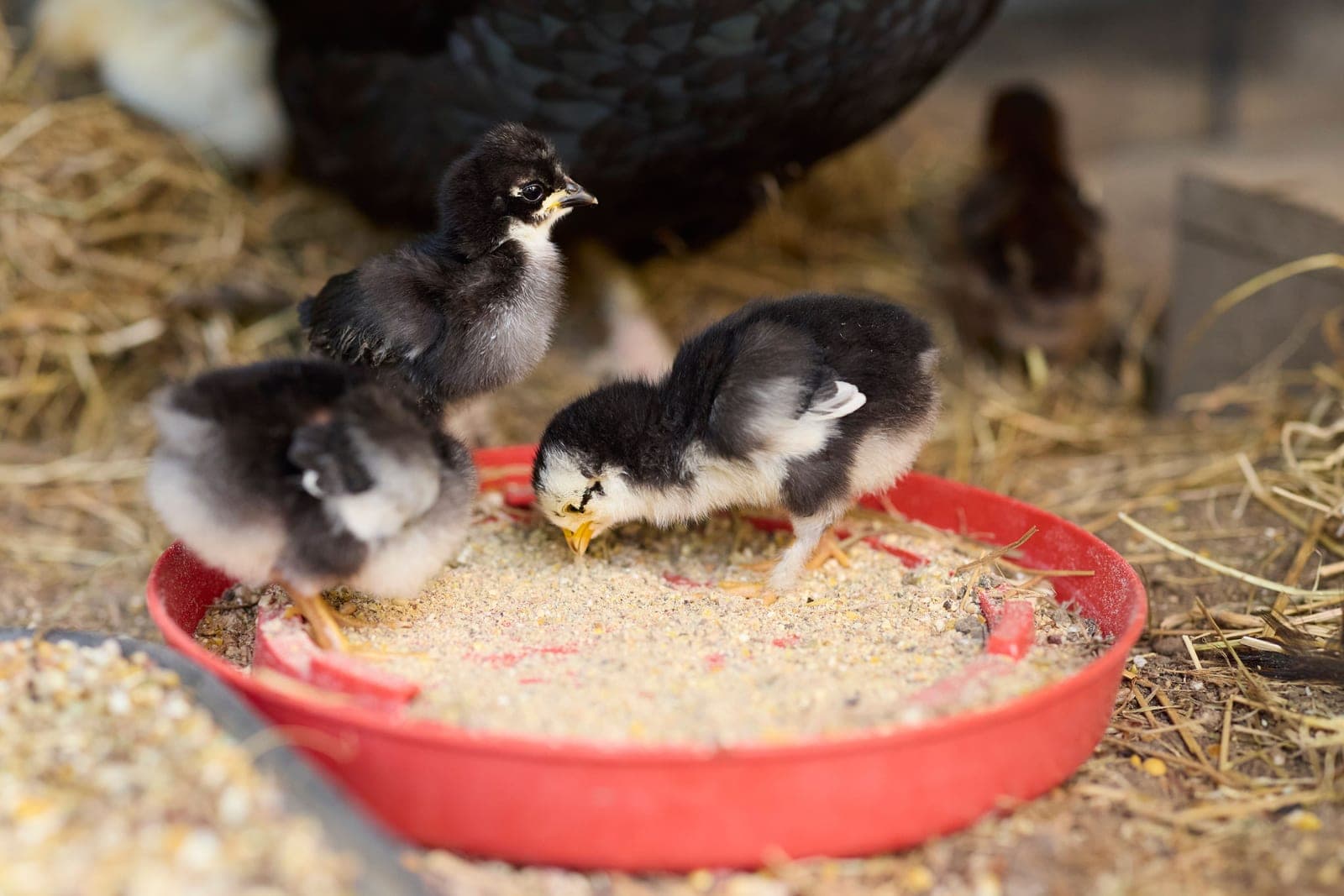
Best chick starter
Three starter feeds with their published guaranteed analyses side by side, and the vaccination question that decides between them.
Most supply lists are alphabetical. This one is chronological, because the chicks arrive on a date and from that date there is an order things have to happen in — brooder gear before the box lands, coop ordered by week three, layer kit by week sixteen.
We have not used this gear. There is no test lab, no flock of our own and no “after six months of hands-on use”. What there is instead: published specifications, cited on the product they belong to, and arithmetic you can redo with a calculator.
Prices render only from a live data layer with a 48-hour freshness gate. When there is no live figure, the button says “check price” rather than showing a number that was true last month. No competitor we looked at shows a live price at all.
Every product on this site carries a “skip it if” line, and several of our pages argue against buying anything at all — the coop heater roundup spends most of its length explaining why most flocks do not need one.
No veterinary review, no expert panel, no years of experience. Anything systemic — a bird that is unwell rather than injured — is a call to a veterinarian or your state poultry extension office, and we say so on the page rather than in a disclaimer.

Guide
The cost structure of a first flock, with the electricity arithmetic shown in full so you can compute your own.
Guide
Floor space, run, roost and nest boxes by flock size, from published extension figures — plus the check applied to real coops.

Best heat source overall
A 250 W lamp against a 12 W plate: full running-cost math, the fire-risk argument, and the one case where a lamp still wins.
Guide
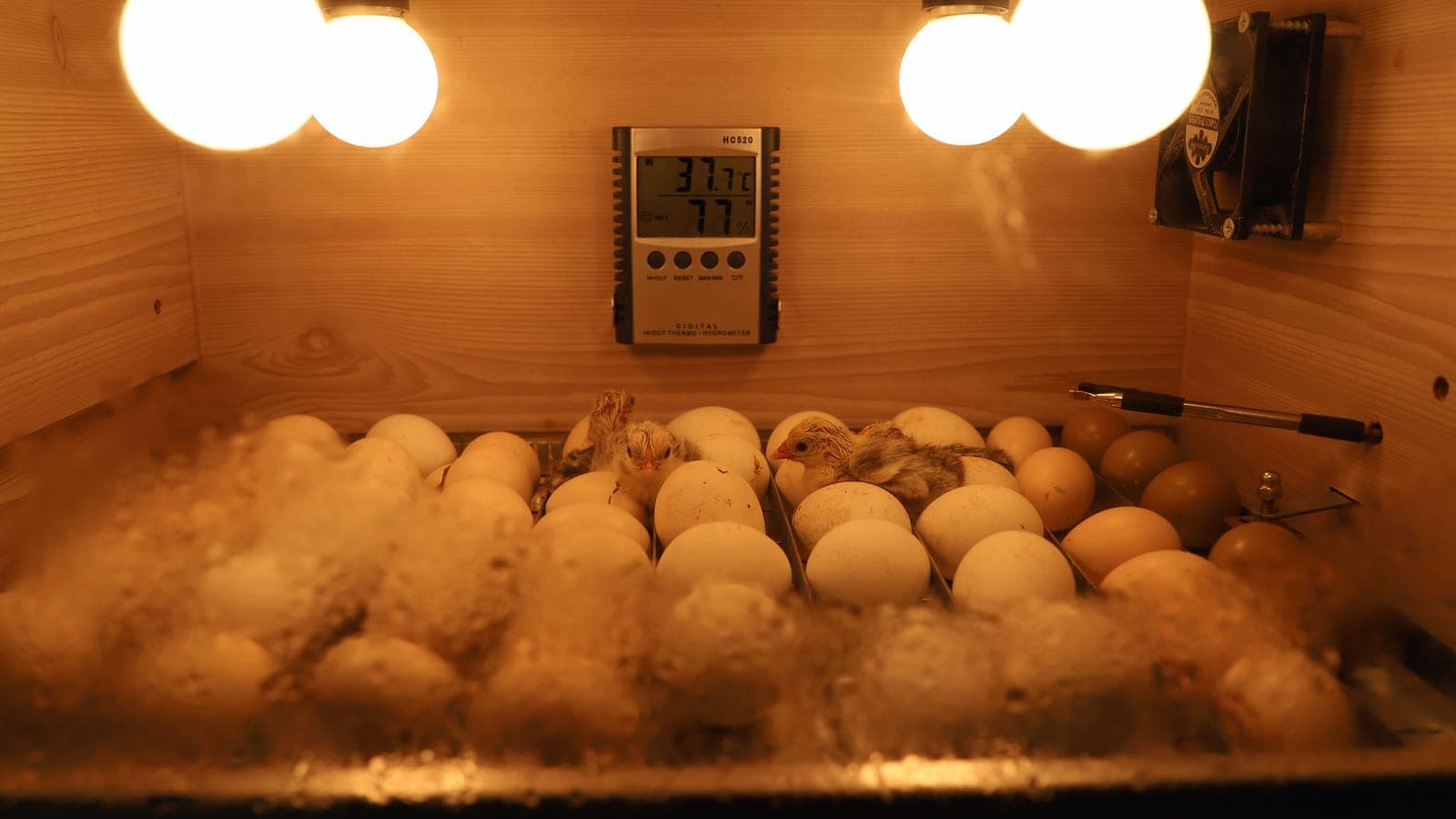
The full published brooding schedule — temperature, floor space, feeder and waterer allowance — week by week.
Peep & Pen earns a commission when you buy through a link on this site, at no extra cost to you. Our Amazon Associates tag is peepandpen-20, and Amazon is currently the only retailer we have an active relationship with — 41 products across 44 pages, all of them linked the same way. We take no payment for placement and commission never changes a ranking.